Decking Repairs in Blackheath: Restore Safety, Style, and Long-Term Value
Outdoor living is a big part of how many homeowners enjoy their property, and a well-kept deck can make all the difference. When boards begin to warp, railings loosen, or surfaces become slippery, decking repairs in Blackheath quickly become more than a cosmetic concern. They are essential for safety, comfort, and preserving the appearance of your garden space.
Whether your deck is made from timber, composite materials, or a mix of both, wear and tear is inevitable over time. The good news is that professional deck repair in Blackheath can often restore the structure without the cost of a full replacement. From minor fixes to more extensive restoration work, the right approach can transform an ageing deck into a reliable and attractive feature once again.
Blackheath homes often feature beautiful outdoor areas that need regular attention due to weather exposure, foot traffic, and seasonal changes. In this article, we’ll look at the most common problems, repair methods, materials, maintenance tips, and what to expect when arranging decking repairs Blackheath property owners can trust. If you’re noticing signs of damage, now is the right time to take action.
Why Decking Repairs Matter in Blackheath

A deck is constantly exposed to rain, wind, sunlight, and general use. Over time, these elements can weaken fixings, fade surfaces, and cause structural deterioration. Choosing timely decking repairs in Blackheath helps protect your property investment and reduces the risk of accidents.
Loose planks, rotten joists, and failing railings are more than inconveniences. They can become trip hazards and safety concerns, especially in homes where children, older adults, or guests use the space regularly. A damaged deck may also reduce the overall appeal of your outdoor area and affect the value of your home.
Blackheath residents often value outdoor spaces that are functional throughout the year. Repairing the deck rather than ignoring small problems keeps the area usable and attractive. It also prevents minor defects from turning into larger structural issues that cost more to fix later.
Common Reasons Decks Need Repair
There are several reasons homeowners seek deck repair Blackheath services. Some are caused by the natural ageing of materials, while others come from poor drainage, heavy use, or weather damage.
- Rotting timber caused by trapped moisture
- Loose or rusted nails, screws, and fixings
- Split, cracked, or warped boards
- Faded or peeling finishes
- Unstable handrails or balustrades
- Insect damage in untreated wood
- Foundation movement or subframe weakness
Signs You Need Decking Repairs

Many deck problems begin subtly. You might notice a board lifting slightly, a squeak underfoot, or a patch of discolouration. These early warning signs are often the best time to arrange decking repairs in Blackheath, because they are usually simpler and less expensive to address than major damage.
If the deck feels soft in certain areas, that may indicate moisture damage underneath the surface. Similarly, if railings wobble or stairs feel uneven, the issue may lie in the supporting structure. These are situations where a quick visual check is not enough; the underlying framework may need professional assessment.
It’s also worth paying attention to how the deck looks after rain. If water pools in specific spots or takes a long time to drain away, the structure may be holding moisture. That can accelerate rot, promote mould growth, and reduce the lifespan of your decking boards.
Visual and Structural Warning Signs
- Blackened or soft wood
- Visible cracks along boards or posts
- Rust around screws, bolts, or brackets
- Spongy sections underfoot
- Mould, mildew, or algae build-up
- Gaps widening between boards
- Railings moving when pressure is applied
Tip: If you spot more than one of these symptoms, it is wise to schedule a proper inspection before the damage spreads.
Types of Decking Repairs Common in Blackheath

Different decks require different solutions. A skilled repair service will assess the deck’s condition and recommend the most appropriate fix. In many cases, decking repairs Blackheath homeowners request involve replacing only the damaged components rather than rebuilding the whole structure.
Timber decks often need board replacements, sanding, treatment, and reinforcement of joists or posts. Composite decks may require replacement of individual sections, updating fasteners, or correcting issues with the substructure. Every deck is unique, and the repair plan should reflect the material, age, and level of wear.
One of the most valuable aspects of professional repair is the ability to restore the deck while maintaining its original look. Matching materials, finishes, and tones helps the repaired sections blend seamlessly with the rest of the space.
Typical Repair Services
- Replacing rotten or split boards
- Re-fixing loose deck boards
- Repairing or strengthening joists
- Replacing damaged railings and balusters
- Rebuilding worn steps or staircases
- Cleaning, sanding, and resealing the surface
- Upgrading fixings and hardware
Board Replacement
Board replacement is one of the most common forms of decking repairs in Blackheath. If a section of timber is cracked, warped, or rotten, replacing only that board is often the most efficient choice. The aim is to keep the deck safe while preserving as much of the original structure as possible.
Subframe Repairs
Sometimes the surface damage is only part of the problem. If the subframe is weakened by moisture or age, the deck may need structural reinforcement. This kind of repair supports the boards above and ensures the entire installation remains stable.
Materials Used in Decking Repairs

The material of your deck affects both the repair method and the long-term outcome. Timber and composite decking each have distinct characteristics, and a knowledgeable repair team will use techniques suited to the surface in question. That is especially important when dealing with decking repairs in Blackheath, where weather conditions and garden layout can influence how materials perform.
Timber remains a popular choice because of its natural appearance, but it needs regular maintenance to stay in good condition. Composite decking is lower maintenance, though it can still suffer from damage, fading, or installation issues. In either case, the right materials and fixings help the repair last longer.
If a deck was built with cheaper or incompatible hardware, corrosion can develop over time. Replacing old fasteners with durable alternatives can improve strength and prevent future issues. In repair work, quality matters just as much as appearance.
Material Considerations
- Softwood: affordable and attractive, but more vulnerable to rot if not treated properly
- Hardwood: durable and long-lasting, though often more expensive and heavier to work with
- Composite: low maintenance, moisture resistant, and ideal for a tidy finish
- Metal fixings: stainless or corrosion-resistant options are ideal for longevity
Important: Matching existing materials helps preserve the visual consistency of the deck and can make repaired sections much less noticeable.
The Repair Process Explained
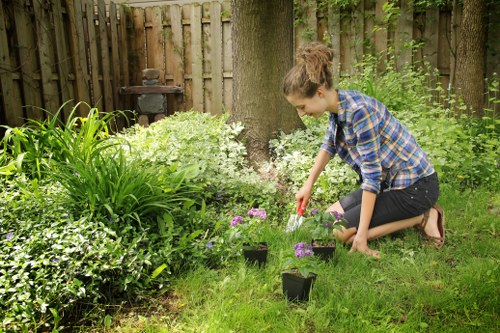
When arranging decking repairs in Blackheath, many homeowners want to know what the process involves. While every project is different, most repairs follow a similar sequence that begins with inspection and ends with finishing touches that protect the deck.
The first step is usually a thorough assessment. This identifies visible damage, hidden weaknesses, and any safety risks. Once the issue is clear, the repair team can decide whether to replace boards, tighten fixings, improve support, or treat the surface.
The final stage often includes sealing, staining, or painting the deck to improve durability and appearance. This not only enhances the look of the repaired area but also helps protect it from future moisture and UV damage.
Step-by-Step Repair Overview
- Inspect the deck for damage and structural weakness
- Mark areas that require repair or replacement
- Remove damaged boards, fixings, or support elements
- Install new timber, composite sections, or reinforced supports
- Sand rough edges and secure all components
- Apply treatment, stain, or protective coating
- Carry out a final safety check
Professional repair work should leave the deck feeling solid underfoot and looking refreshed. If the deck has been properly restored, you should notice improved stability, smoother surfaces, and a more polished appearance overall.
How Weather Affects Decking in Blackheath
Blackheath weather can influence how quickly decking wears down. Rain, damp conditions, and seasonal temperature changes all take a toll on outdoor materials. Timber absorbs moisture, expands, and contracts, which can lead to splitting and loosening over time. That is why regular decking repairs Blackheath residents rely on are so valuable.
Sun exposure can also cause fading and surface degradation, particularly on untreated or lightly protected timber. UV rays break down finishes and can dry out the material, making it more prone to cracking. If your deck is exposed to both sun and rain, the wear can happen faster than expected.
Wind-blown debris, leaves, and dirt can gather between boards and hold moisture in place. Cleaning the deck regularly helps reduce this problem, but if rot has already started, a professional repair may be needed to prevent the issue from spreading further.
Weather-Related Damage Includes
- Moisture-driven rot and mould
- Surface fading from sunlight
- Expansion and contraction of timber
- Corrosion of metal fixings
- Slippery algae growth after wet periods
Safety Benefits of Prompt Repairs
One of the biggest reasons to arrange decking repairs in Blackheath quickly is safety. A damaged deck can become hazardous without much warning. Loose boards, uneven steps, and unstable handrails all increase the risk of falls and injury.
For families, safety is especially important. Children may run across the deck, and guests may not notice a weak spot until they step on it. If the deck is used for dining, entertaining, or relaxing, any instability should be treated as a priority.
Prompt repairs also help avoid emergency work later. The cost of replacing a small section of rotted timber is typically much lower than rebuilding a larger area after structural failure. Acting early is a practical and cost-effective approach.
Safety-Focused Repair Priorities
- Fix unstable stairs and handrails first
- Replace visibly rotten boards immediately
- Address soft spots underfoot without delay
- Check fixings, brackets, and support posts regularly
- Keep walkways clear of debris and standing water
Improving Appearance During Deck Repairs
While safety comes first, appearance matters too. A repaired deck should look tidy, balanced, and consistent with the rest of the garden. High-quality decking repairs in Blackheath can make a major visual difference, especially when faded or damaged boards are replaced and the surface is refinished.
Some homeowners choose to refresh the whole deck after repair so that the finish looks uniform. This can involve sanding, staining, or applying a fresh protective coating. The result is often a space that feels newly upgraded without the expense of a full replacement.
If your deck is part of a landscaped garden design, it may also be worth considering small aesthetic improvements during repairs. These could include updating the railings, improving step alignment, or refining the edge detail for a cleaner look.
Ways to Enhance the Finished Result
- Choose a stain that complements your garden style
- Use matching boards or composite pieces where possible
- Sand transitions between old and new sections
- Upgrade hardware for a neater finish
- Seal the deck after repairs to improve colour consistency
Maintenance After Decking Repairs
Once the repairs are complete, ongoing maintenance plays a major role in protecting your investment. Even the best decking repairs Blackheath homeowners arrange will need support over time if the deck is exposed to the elements every day.
Routine cleaning removes dirt, moss, and organic debris that can trap moisture. It also helps the surface stay attractive and less slippery. Inspecting your deck a few times a year allows you to catch small problems before they become major repairs again.
Applying protective treatment at the right interval is another key part of maintenance. Timber decks often need periodic sealing or staining, while composite materials may simply need cleaning and occasional fixing checks. A little upkeep goes a long way.
Simple Maintenance Habits
- Sweep the surface regularly
- Wash away leaves and dirt after storms
- Check for loose fixings every few months
- Clear blocked drainage points
- Reapply protective coating when needed
- Trim nearby plants to improve airflow
When Repair Is Better Than Replacement
Not every damaged deck needs to be rebuilt from scratch. In many cases, decking repairs in Blackheath are enough to restore stability and appearance. Repair is often the smarter option if the majority of the deck is still structurally sound and only certain areas are affected.
Replacement may be necessary if the entire framework is compromised, if rot is extensive, or if the design no longer suits your needs. But for isolated damage, targeted repairs can save time, reduce disruption, and keep costs under control.
The decision often depends on age, material quality, and how much of the deck is affected. A professional assessment can help determine the most practical path forward, whether that means patch repairs, sectional replacement, or a larger restoration project.
Repair May Be Ideal If
- Damage is limited to a few boards or posts
- The subframe is still in good condition
- You want to maintain the existing design
- The deck has sentimental or aesthetic value
- You are looking for a cost-effective solution
Choosing the Right Help for Decking Repairs in Blackheath
Selecting the right repair service makes a huge difference to the final result. Experience, attention to detail, and material knowledge all matter when dealing with decking repairs in Blackheath. A well-handled job should feel solid, look clean, and last through changing seasons.
When comparing providers, it helps to look for clear communication, a sensible repair plan, and an understanding of both timber and composite decking. The best outcomes usually come from professionals who assess the problem properly before starting work and who recommend only the repairs that are genuinely needed.
It is also useful to choose a team that understands local conditions. Blackheath gardens may have shaded areas, older timber structures, or exposure patterns that influence how decking ages. That local insight can improve the quality and durability of the repair.
What Good Repair Work Should Deliver
- A stable and level walking surface
- Secure railings and steps
- Clean board alignment
- Matching or well-blended replacement materials
- Protection against future moisture damage
Questions to Consider Before Booking
Ask yourself: Is the damage isolated or widespread? Is the deck mainly unsafe, unsightly, or both? Do you want a simple repair, or are you also aiming to improve the appearance and longevity of the whole structure?
Final Thoughts on Decking Repairs in Blackheath
Decking is one of the most useful and attractive features in a garden, but it needs care to remain safe and appealing. With timely decking repairs in Blackheath, you can address damage before it becomes serious, restore comfort to your outdoor space, and protect the value of your property.
From replacing loose boards to reinforcing the frame, repairing railings, and improving the finish, there are many ways to bring a worn deck back to life. The key is to act early, inspect regularly, and use the right methods for your deck’s material and condition.
If your deck is showing signs of age, don’t wait until the problem gets worse. Contact us today to discuss your options and book your service now so your outdoor space can be safe, stylish, and ready to enjoy again.
Decking repairs in Blackheath are more than a maintenance task—they are an investment in your home’s usability, appearance, and long-term condition.

